• About

drager-meurtant

~ The world is made up of elements, catched by light-writing or assemblage.

drager-meurtant

Tag Archives: rural

A journey in the Pelopónnèsos (Πελοπόννησος) in 1978 (Part I)

20 Monday Dec 2021

Posted by dragermeurtant in Greece, History, landscape, nature, outdoor, photography, street photography, travel, Uncategorized

≈ Leave a comment

Tags

1970s, Arcadia, fotografie, Greece, hike, landscape, mountains, pelopònnésos, Peloponnese, photography, rural

In July 1978 Jaap, a study pal and mountain hike companion, and I made a journey in Greece. We had trekked in several mountain regions since a few years. After arrival in Igoumenitsa by ferry from Brindisi (Italy), we hitchhiked south to Amfilochia in the back of an open truck.
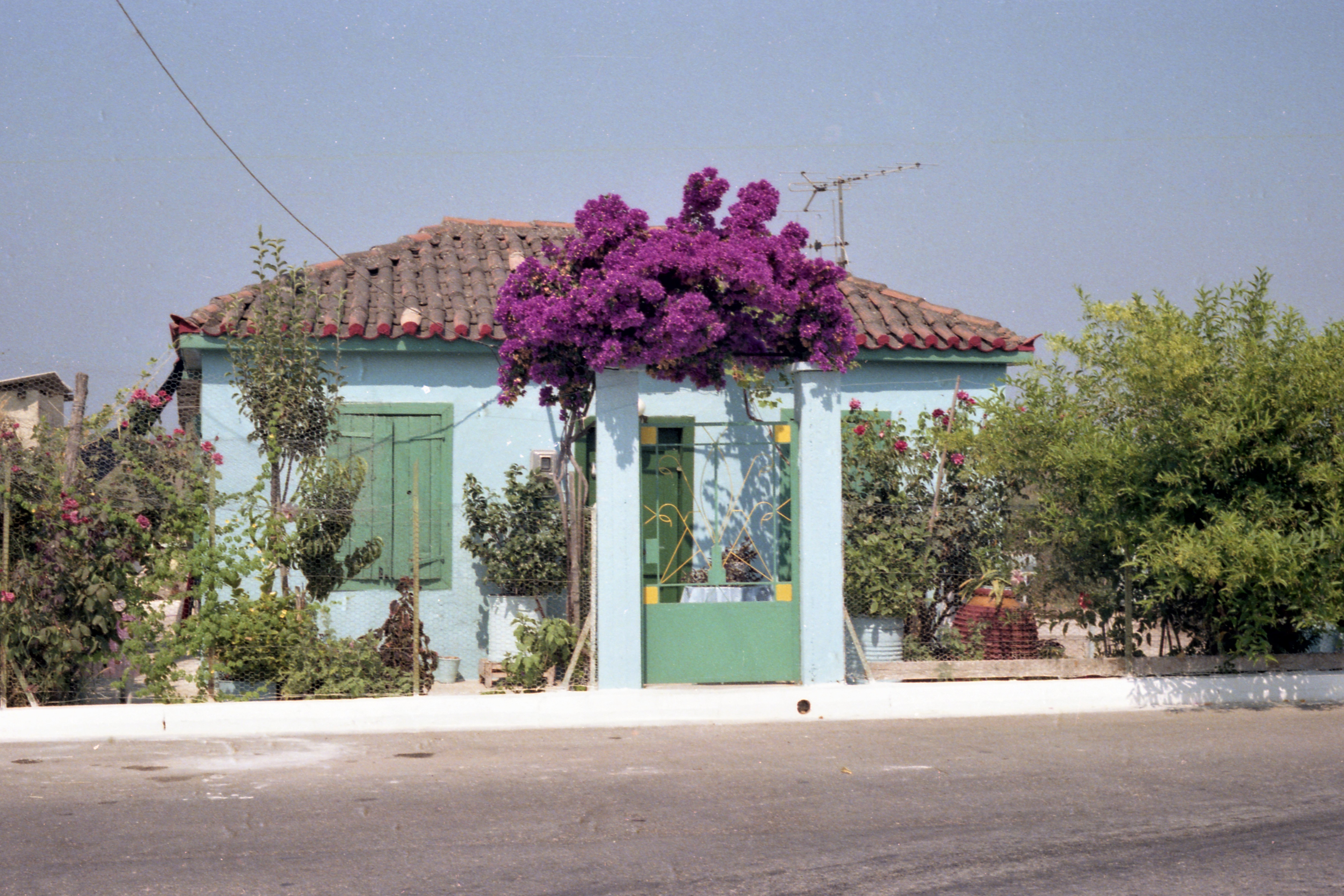
On the road: blue house and honeysuckle

Restaurant (Estiatorion) in Amfilochia
An evening stroll along the promenade of Amfilochia

The next day brought us to Patras, a city with a history of thousands of years. Already inhabited in prehistoric times, it was an important centre in the Mycenean era. After one night camp there, we continued east to small coastal village of Diakofto.
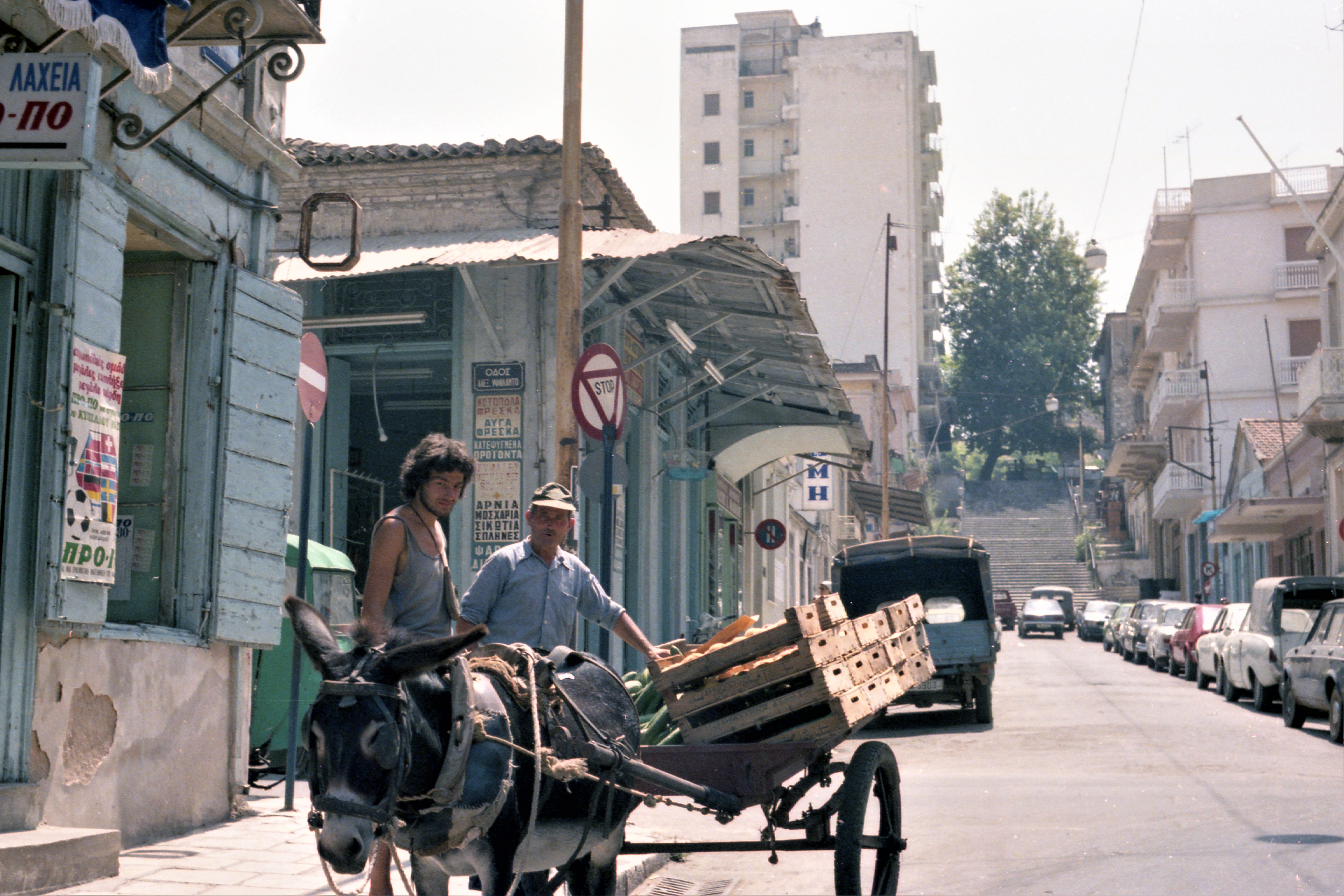
Patras: fruit seller and Jaap posing for photo.

From Diakofto runs the “Odontotos Rack-railway” to Kalavrita. It was built between 1885-1895 and climbs steeply along a distance of 22 km. We followed a path besides and sometimes on the track, that rises in narrow cleft between steep rocks. At times a viper fled from being trapped on.
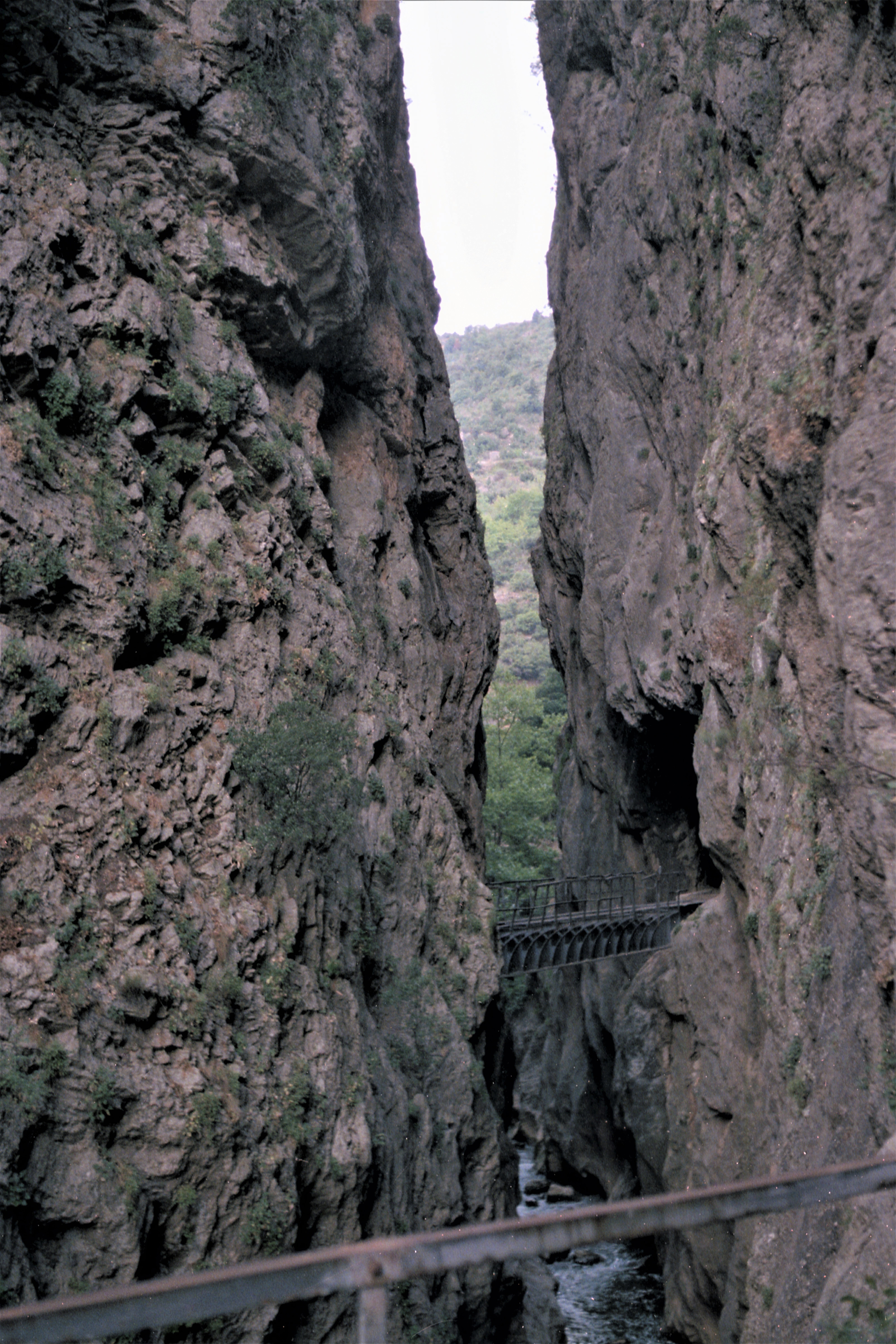
Ravin being part of Vourakos Gorge with rail track

In a small cafe in Kalavryta, we were met by suspicion and animosity, expressed by elderly woman rejecting to serve us greek coffee. A younger man could explain to her, we were not German but Dutch, and then the suspicion lessened. All this was related to the big massacre by the nazis in 1943, with over 300 men killed and many houses burned.

Walking further, we heard an one-pit motor and the same young man as mentioned above pointed to a nest with six eggs in the load of three wheeled pick-up motorcycle. This gift was followed by his offer to bring us to Anolousi.
Butcher and his wife and slaughtered sheep in Anolousi

Ano Lousi lies on plateau at 1100 m altitude. From here we followed the road to Kata lousi with about as many cars or trucks passing as flocks of sheep.

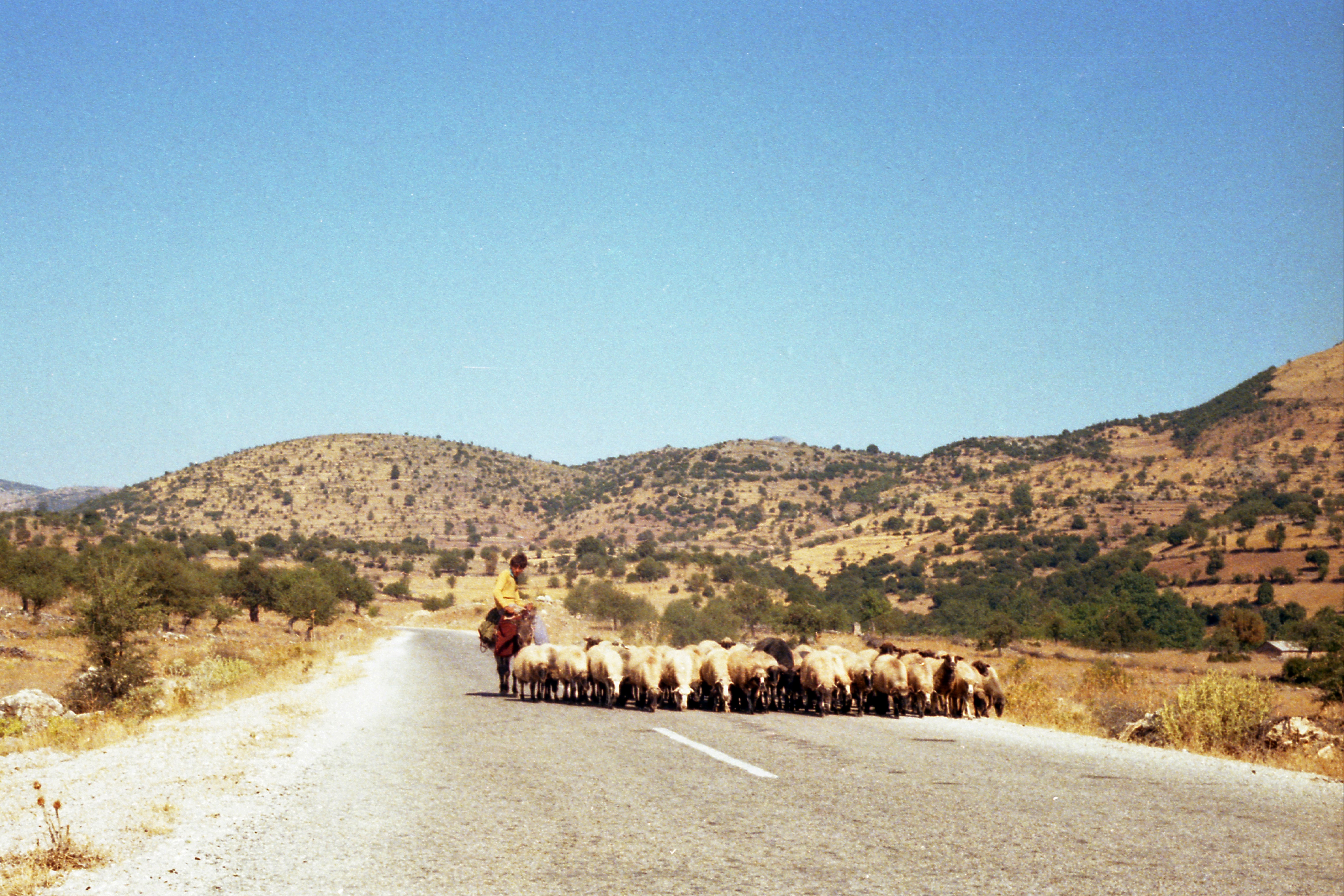
Plateau with Ano Lousi
The road from Ano Lousi to Kato Lousi
The author walking from Ano Lousi to Kato Lousi (photo by Jaap)

Near the evening we arrived by foot in the small village of Kastria. We explained our whereabouts, to what appeared to be the village elder, and soon were invited to have a glass of ouzo with several most older men at a table. Later, we were invited to join a party planned to visit the cave that had been discovered nearby, a few years earlier, by a shepherd who had lost a sheep. The party would take ‘William’, a former villager who had emigrated to the USA twenty years earlier, and who had just returned for a visit, to the site, and us alongside.

The entrance of the Kastria Cave

No ticket counter of parking for busses, yet to be seen. We were able to enter the cave for about 300 m, with the guide using an old mining-lamp (Davy lamp) and then were stopped by lakes. Nowadays, walking bridges have been created to gain acces much deeper.
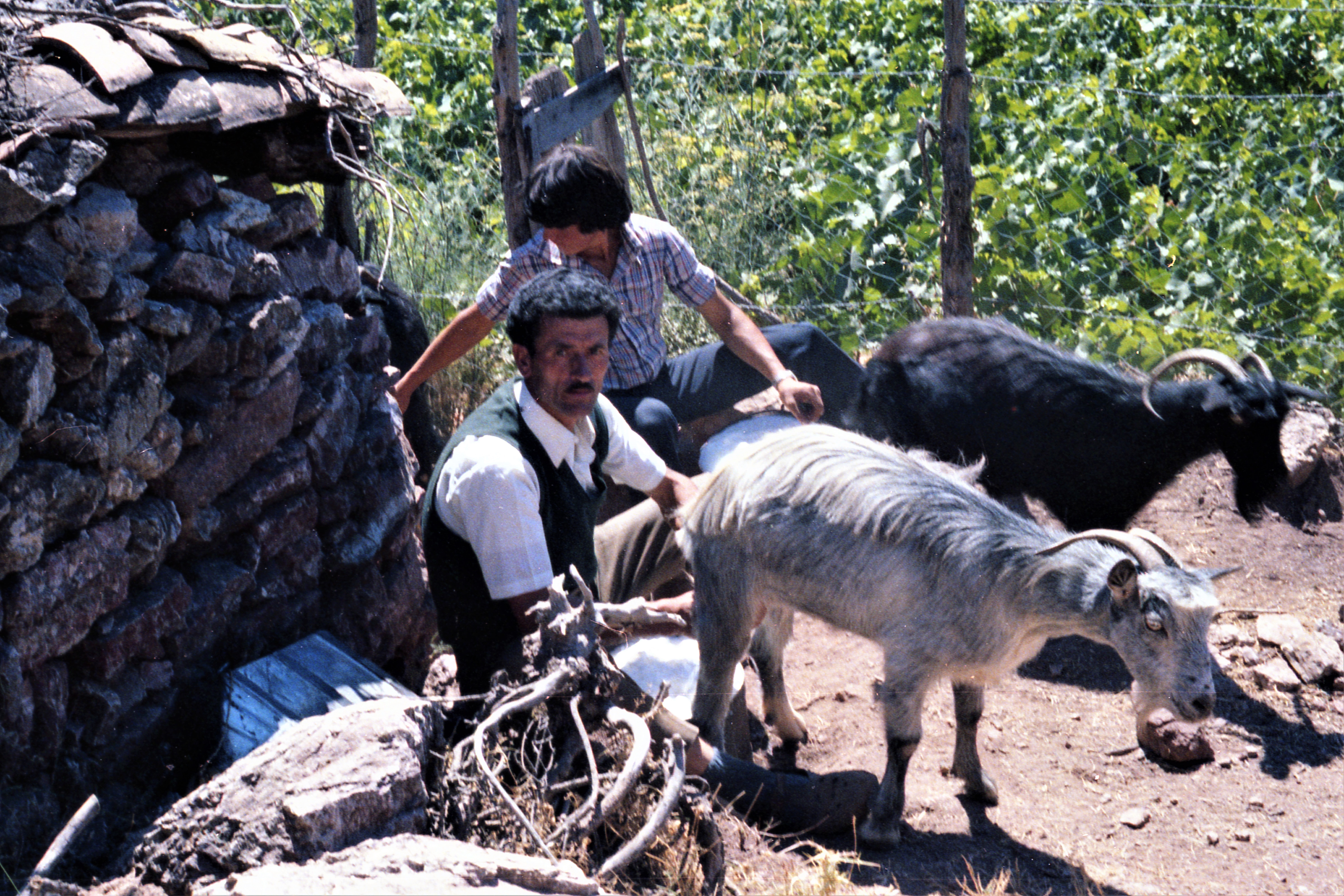
Along the road from Kastria to Langadia: shepherd with milk goats

We hiked further to Klitoria and then to Dafni. On the outskirts of the small village of Dafni, there were more than ten threshing circles. These may have been created two thousand years ago… and are located in areas where the wind blows.
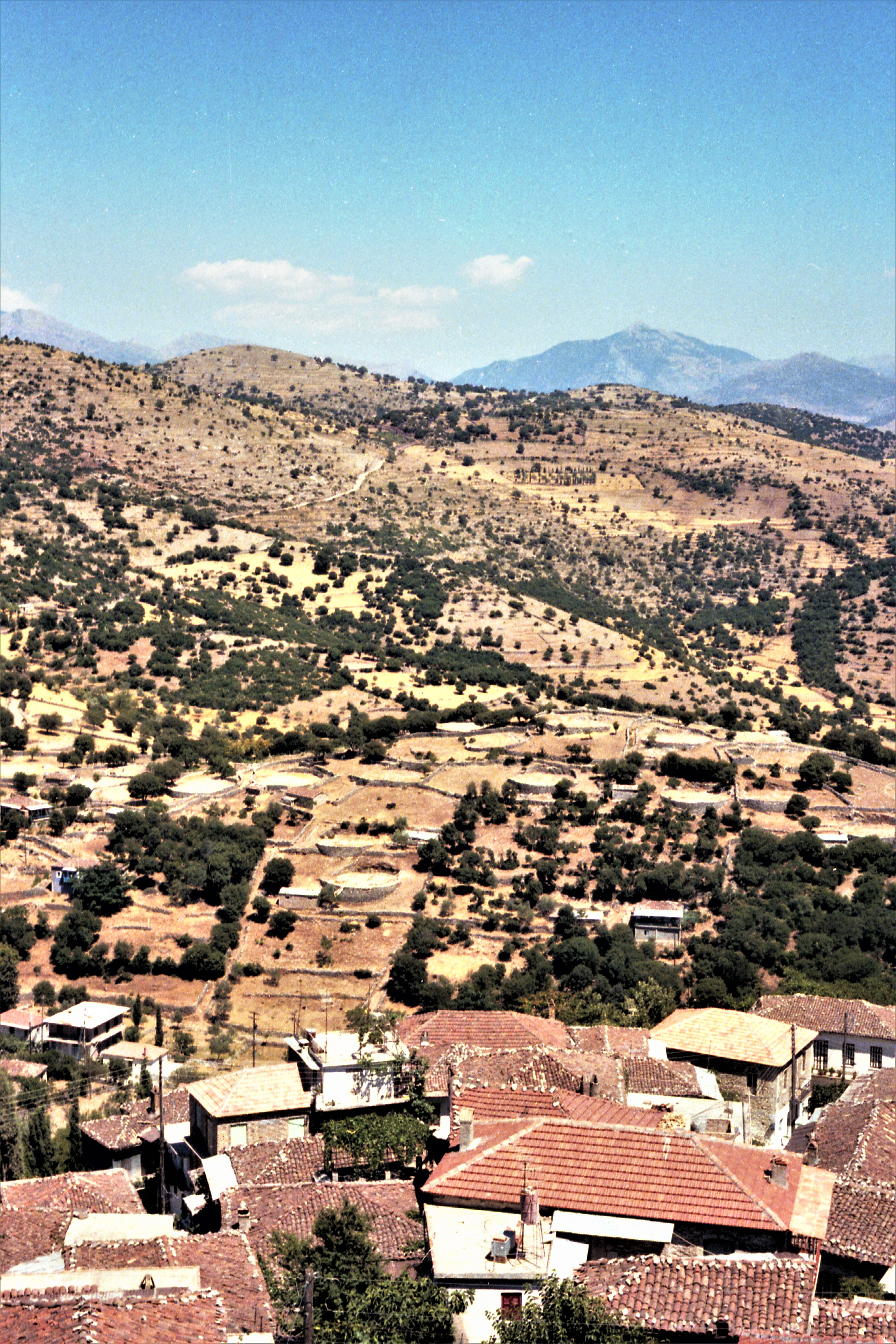
Village of Dafni with many threshing circles.
Mule and stake at threshing circle, still in operation.

From Dafni the path led to Langadia, on the busy and touristic road from Olympia to Tripoli. A steep climb to a street 100 m higher brought us back in more rural village atmosphere and we were offered small flat grass plateau for the tent.
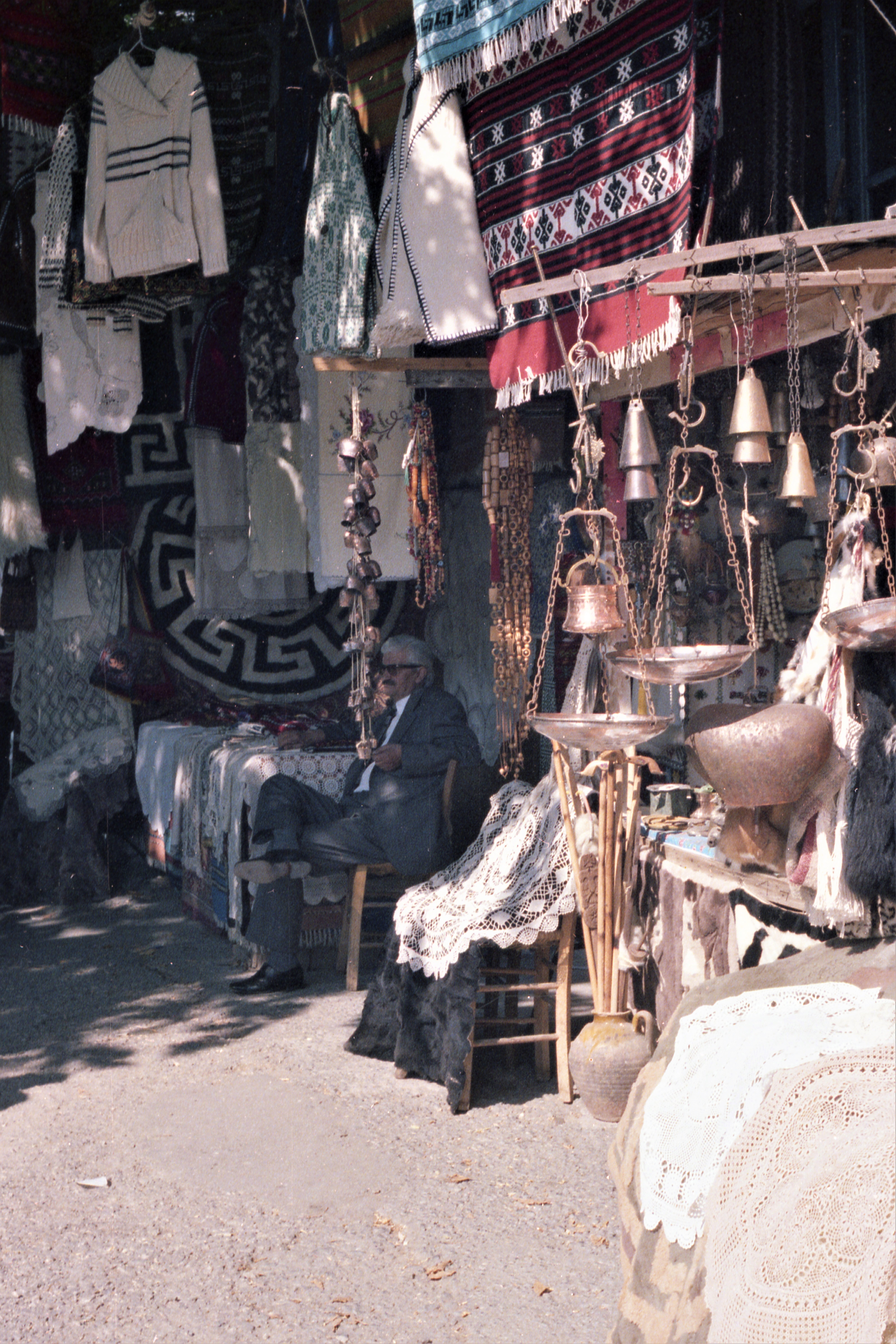
Langadia sales man

From Langadia we walked to Dimitsana, about 10 km south. This mountain village at 1000 m height, played important role in Greep revolt against the Turkish occupants. To our great surprise, a Dutch couple arrived soon after we installed our camp outside this village. The surprise became even bigger when they turned out to be neighbours of Jaap. No previous talk about respective travels had been made. The encounter was a pure coincidence…
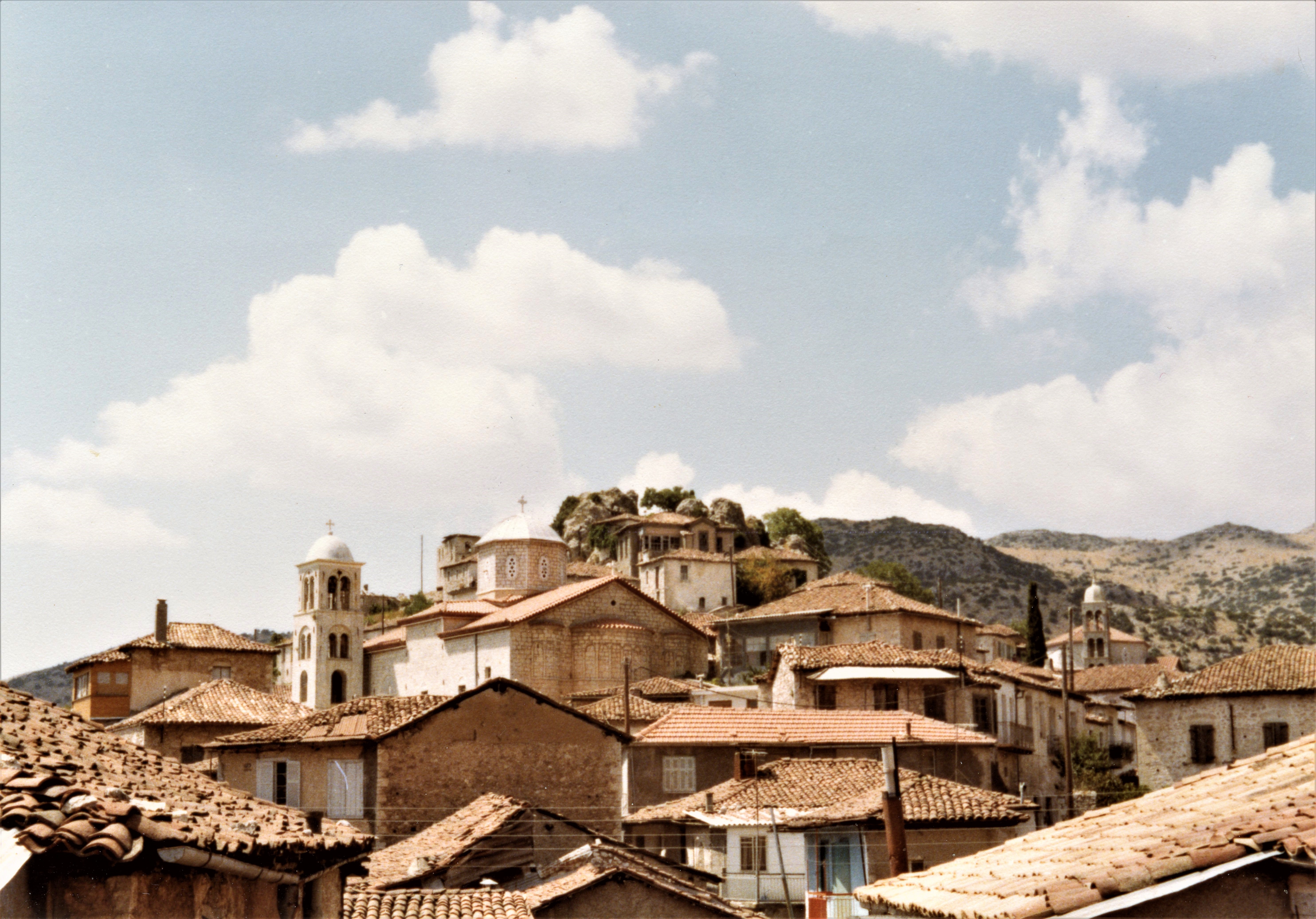
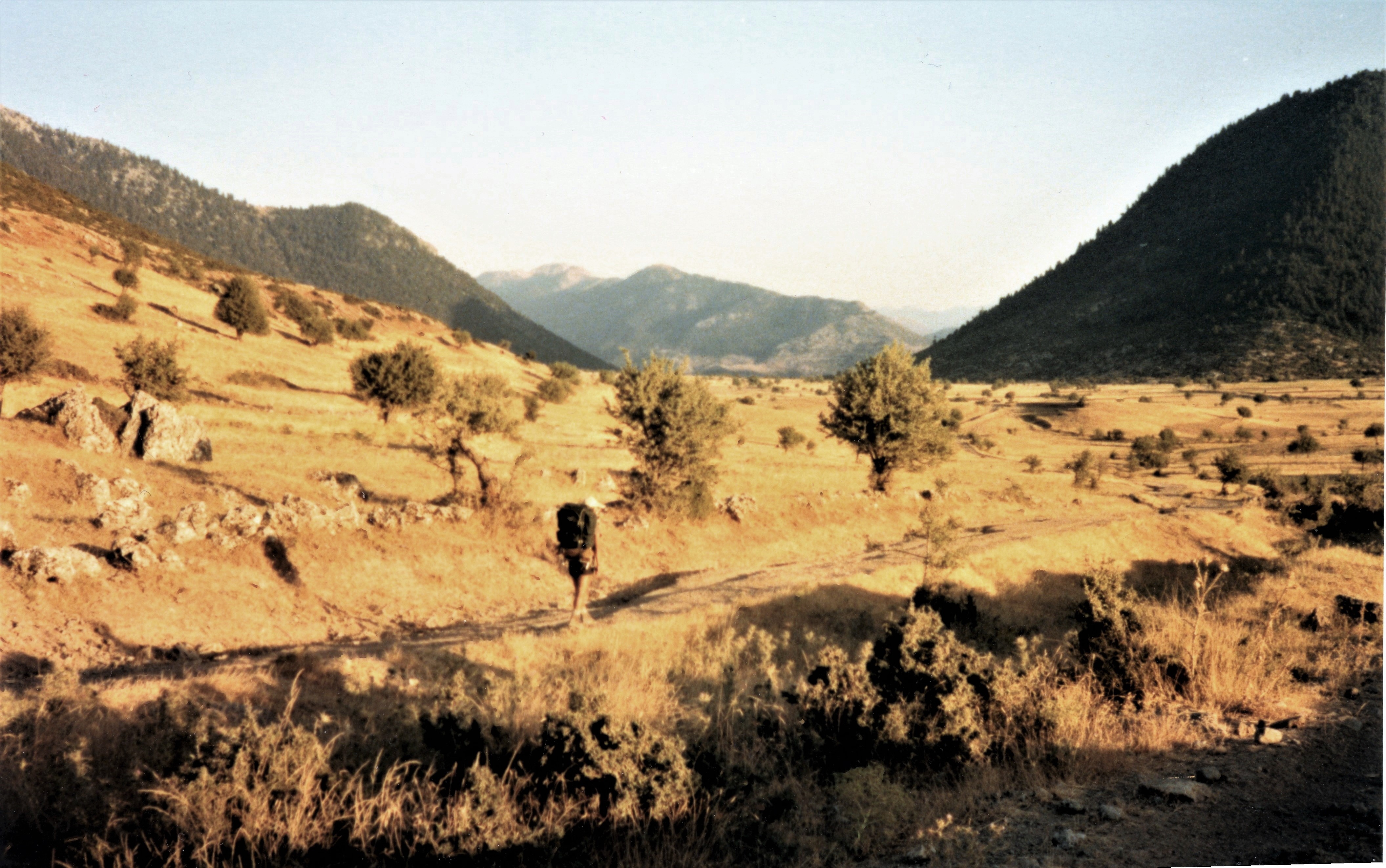
Historic mountain village of Dimitsana, in 1978

The next day, our path did split, with – Jaap heading for Athens to meet family, and I continued my path alone. This will be part of 2nd blog.
Cracks in cohesion: changes in rural life in France.

01 Monday Jun 2020

Posted by dragermeurtant in Decay, demography, France, History, landscape, Le Pays, photography, society, street photography, Uncategorized

≈ 5 Comments

Tags

abandonnement, change, country, development, France, History, landscape, pays, rural, society, urbanization

This impression was written in 2017, edited 2020

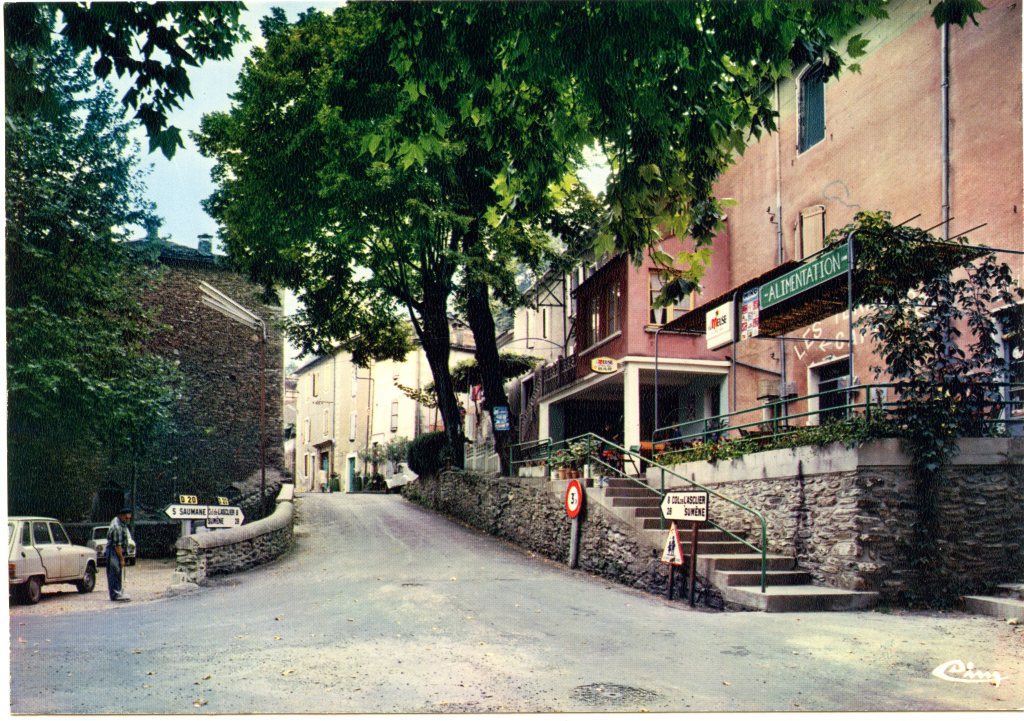
Up until about thirty years ago, villages in France each had their ‘alimentation*’, ‘boulangerie’, boucherie and one or more cafes. In larger villages – as in cities – there was also the ‘quincaillerie’.

Elder men sat on benches smoking pipe while looking at others playing ‘petanque’.

Alimentation in Les Plantiers, (Departement Gard,) about 1980, postcard

As prehistory tells, the earliest humanoid presence in France dates from > 1.5 million years. Up untill 5.000 years ago pockets of human inhabitation consisted of small settlements. In the neolithic period (circa 4500-1700 bc) agriculture was adopted, with parallel development of appropriate tools to work the land and store produced foods. As such, potteries became established. Settlements increased in size.

The following era’s were defined – in archeological terms – by the metal that dominated in tools (and ornaments), with iron, copper, followed by bronze. A major change occurred with the colonization of France (‘Gaul’) by the Roman Empire, of which period many remains are still scattered across the country.

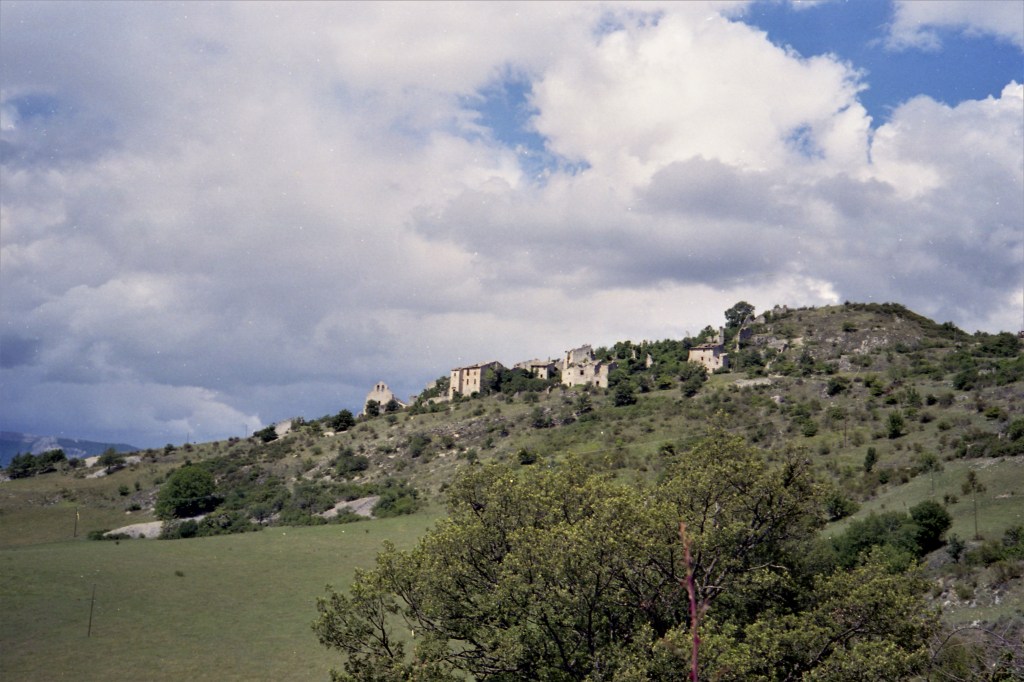
With industrialization in the 19th century the rate increased at which urbanization occurred – with people departing from agricutural regions, a process that continues up to today. Examples of ‘villages abandonnées’ are found all over France’s rural areas. In some regions erosion added to the abandonment of villages.

Abandonned village in The Provence, ca 1980, photo DM

In addition, there occurred the devastating effect of “La grande Guerre” (WW-I), in particular in the north of France. Whole villages were destroyed to the ground, never to be rebuild. In the area above Verdun several of these destroyed villages (‘villages detruits’) can be found. In villages that survived – which ever the size – memorials were raised incised with long lists of victims.

Mort pour la France (Grancey le Chateau, Dep. Côte d’Or) photo DM 2017

However, despite the fact that grenates and bodies were being dug up for decades after the war, life gradually resumed it’s normal course.

Farmer ploughing, Haute-Marne, photo DM 2017

Society in these areas for most of the 20th century still can be defined as people with their connection to their family, work, village, the church, the school, and trade at markets and shops. For travel – if not by car – many railways served to link villages and cities.

Gare de Veynes-Devoluy, (Dep. Hautes-Alpes), photo DM 1997.

Now in 2017

Many villages no longer have their ‘alimentation’ or even ‘boulangerie’. People must go to large shopping centers on the outskirts of larger cities.

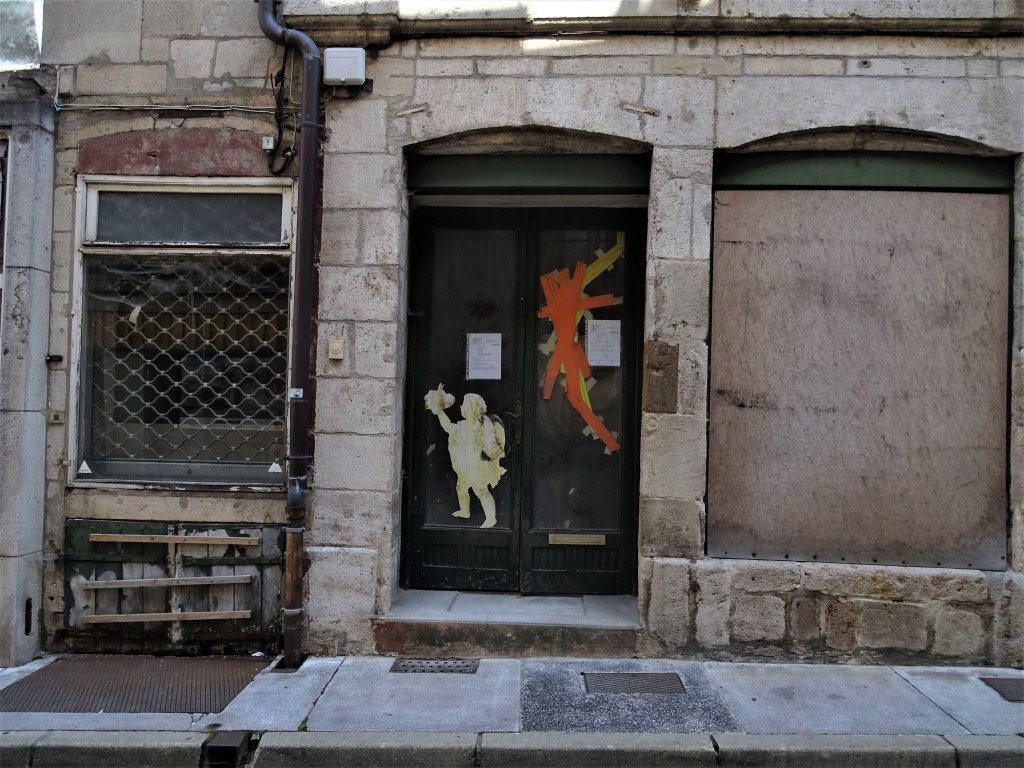
Abandonned bakery (‘boulangerie’, in Langres, Dep. Haute-Marne), photo DM 2017.

In small cities like Langres, the same pressure closing smaller stores exists, but the population plus tourists serve to maintain the economy of others.

Boulangerie Maison Gallien, Langres, photo DM 2017

Yet, even in Langres this nice bakery, “Boulangerie Maison Gallien” is threatened with closure, since neighbours – unlike in previous times – now complain about the noise of the bakery at 4 o’clock in the morning. (sign on door: “Nuisances Sonores – une boulangerie en difficulté”, or “Noise Disturbences – a bakery in problems”, post from Le Journal de la Haute-Marne). Likely, ‘modern city people’ working from 8.30 till 17 hours, tolerate less than earlier inhabitants.

Many railroads have ceased to exist. Schools have closed or are threatened with closure. The ‘cementos’ of society crumbles. Foreigners (mostly dutch) buying houses for use during holidays stop decay of abandoned houses to some extent, but leave emptiness during many months in the year.

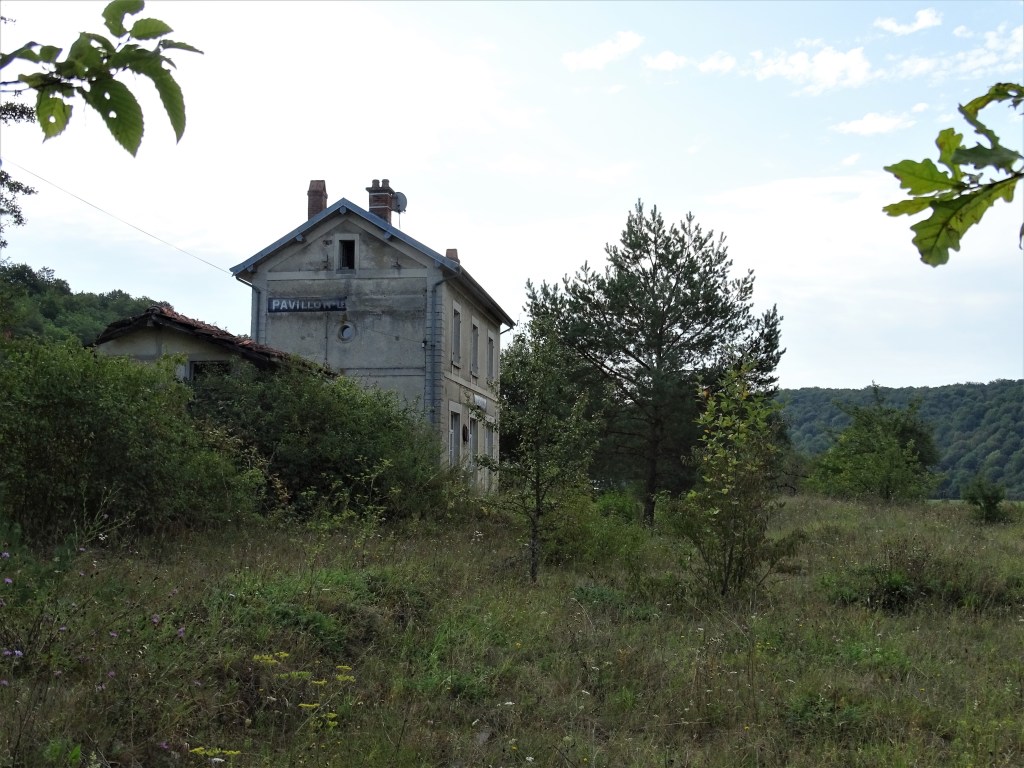
Grancey le Chateau-Neuvilles, Le Pavillon (Dep. Côte d’Or) . Abandonned railway station and former track. photo DM 2017

Perspective

The sometimes exorbitant prices of houses / appartments and of living in large cities such as Paris, plus the unhealthy environment (pollution) and the increased number of retired people are all factors that lead to a move out of these cities towards the country. The existence of rapid trains supports this option. For retailers of small shops, however, future remains uncertain.

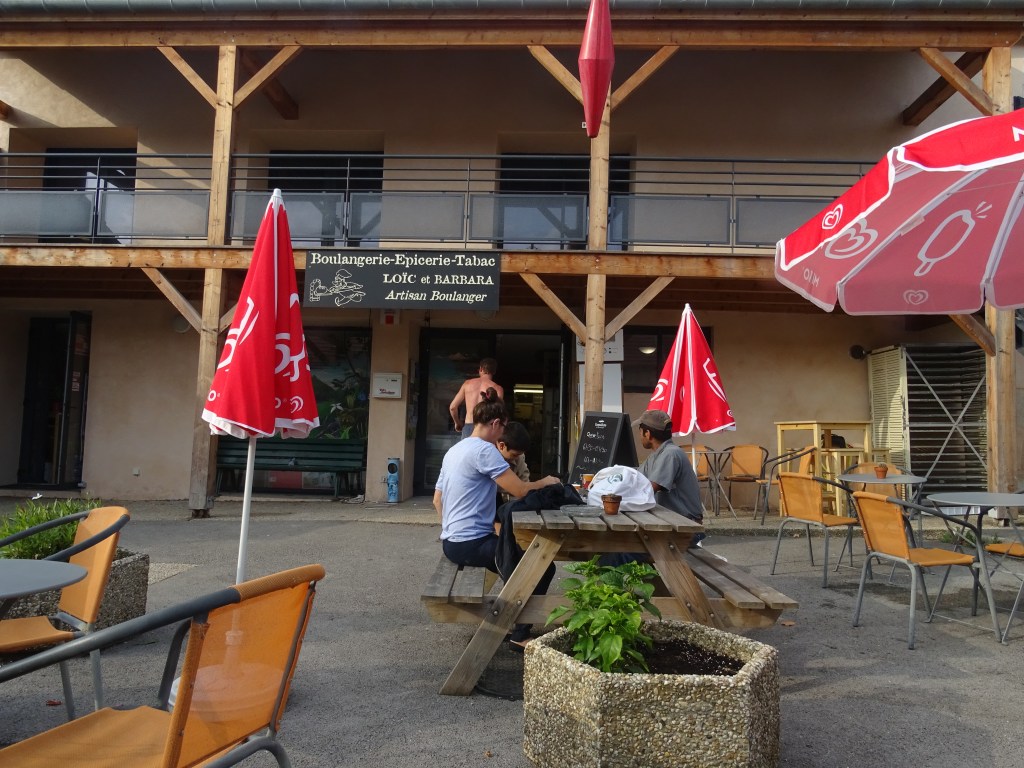
The presence of places of interest, like former Abbey of Auberive, now also Museum of Contemporary Art (focus on ‘independent art’) helps to maintain enterprises such as Boulangerie – Alimentation & Café de l’Abbatiale in Auberive. (Departement de Haute-Marne)

Boulangerie – Alimentation & Café de l’Abbatiale in Auberive, photo DM 2017

Note, added June 1st 2020

The COVID19 Corona-virus pandemie, that also struck France heavily, and led to a lock-down (including inability to move freely for > 1 km from home) for more than 2 months, might stimulate a move from the city to the country.

*translation of terms

alimentation: food shop

boulangerie: bakery

quincaillerie: hardware shop

© Drager Meurtant, 2017, 2020

Beds and Fences

06 Friday Dec 2019

Posted by dragermeurtant in death, Decay, History, kunst, landscape, outdoor, photography, street photography, Uncategorized

≈ Leave a comment

Tags

bed spiral, fence, fotografie, gate, landscape, las hurdes, philosophy, photography, rural, Spain

People often buy a bed, when entering adulthood. A bigger bed, when living (and sleeping) together.

When getting old, the number of hours in bed often increases, even when sleep is more disturbed and irregular.

Then comes the time, that those who used the bed, will pass away.

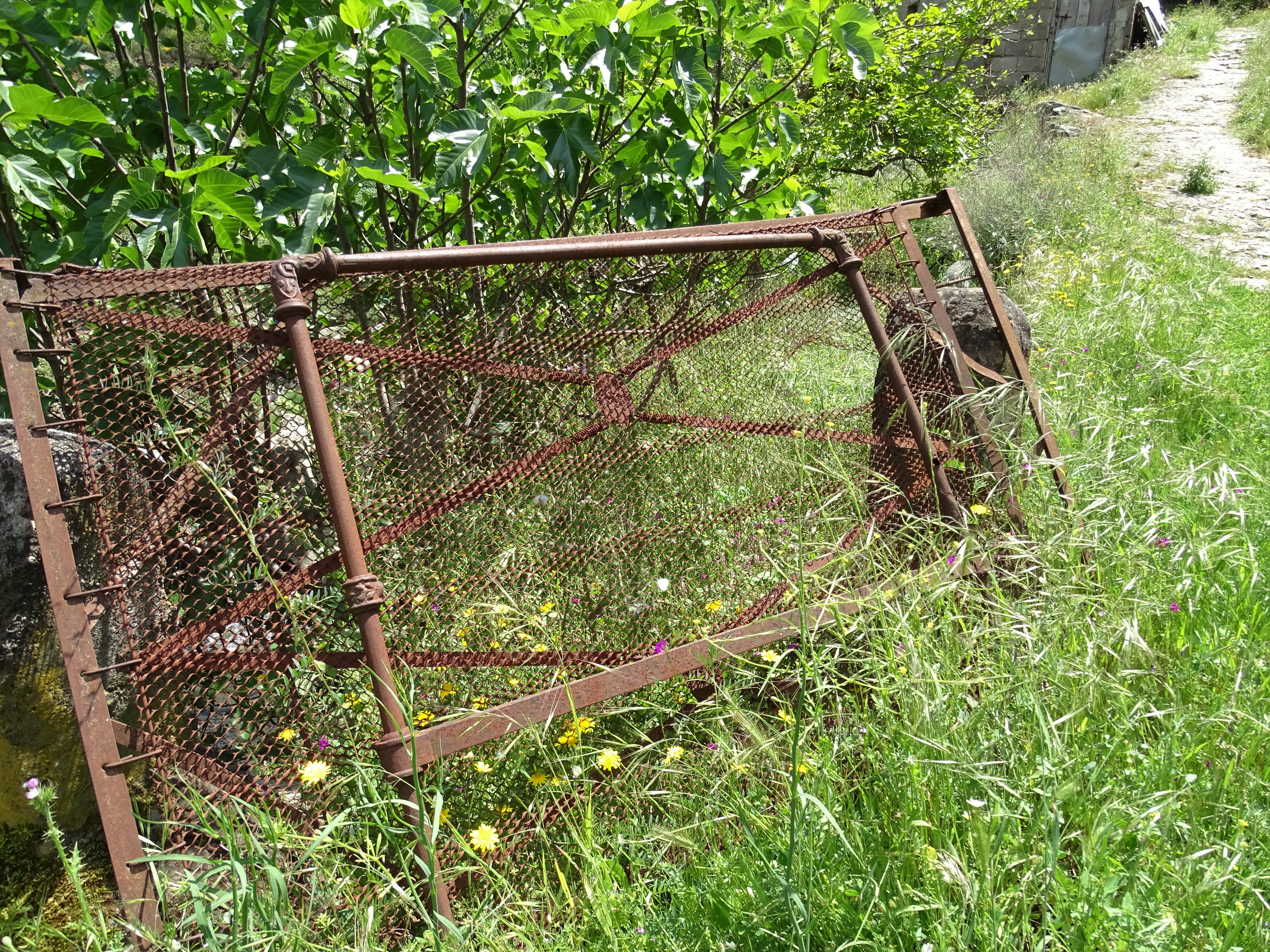
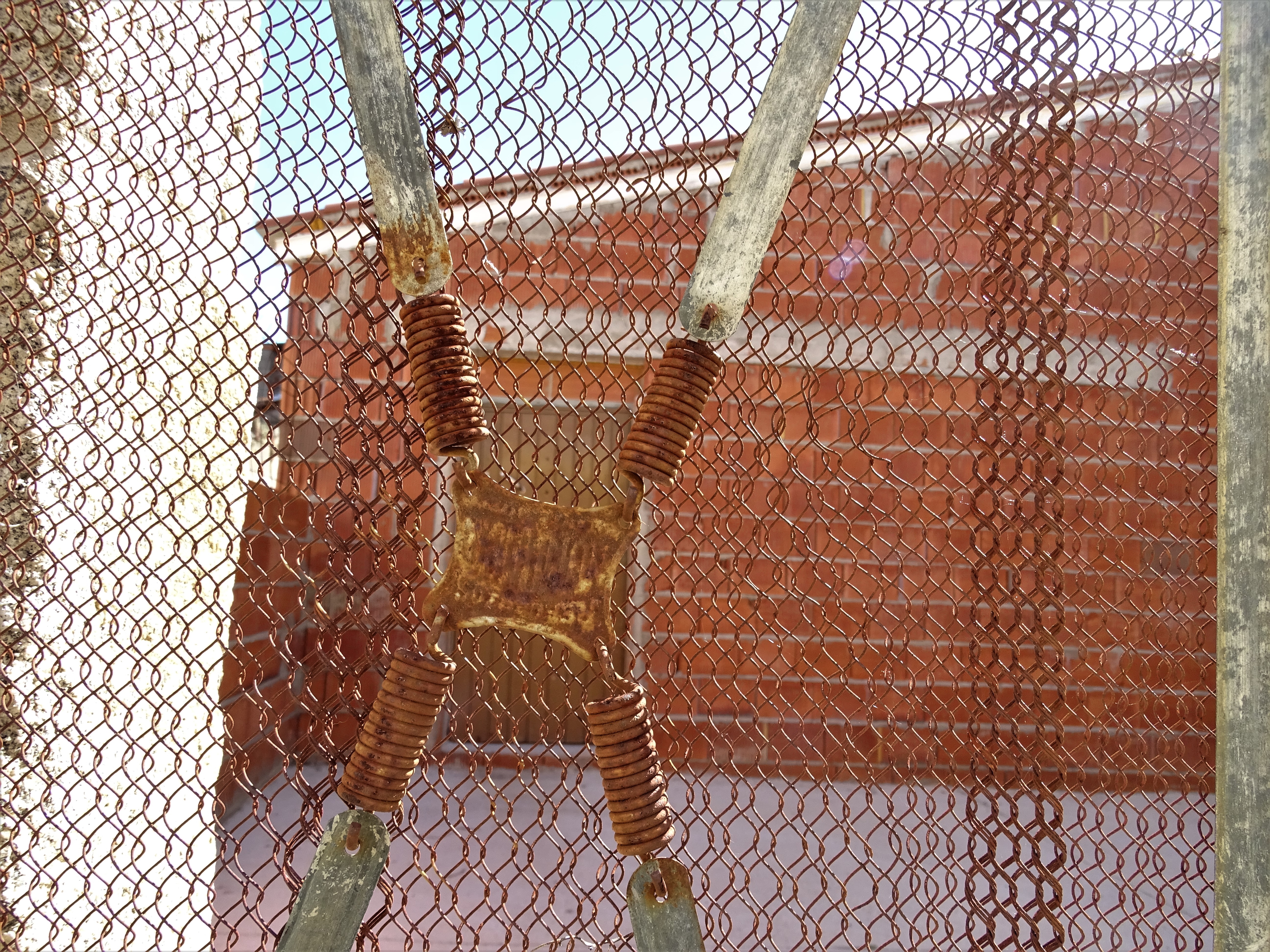
In some regions, people tend to use the bed spiral base, that is left alone, for other purposes. Preferred is their use as part of a fence or gate.

Walking in Las Hurdes (Spain) in 2018, we encountered several such transformations.

DSC08776

Bed spiral turned into a fence (1)


DSC08782

Bed spiral turned into a fence (2)


DSC08777

Bed spiral turned into a fence (3)


DSC08714

Bed spiral turned into a fence (4)

One must not be surprised by the fact, that in the same environment, the number of abandoned houses is high.

DSC08746

House abandoned in Las Hurdes (Spain)

It need more research, to establish whether the transformation of (usable?) bed spirals inherited from parents or grandparents, is caused by unwillingness to sleep on such elements earlier used by people that have passed away, or by the wish to have better quality. Yet, the transformation into fences or gates has significance as signal of the border of states of existence.


DSC08786

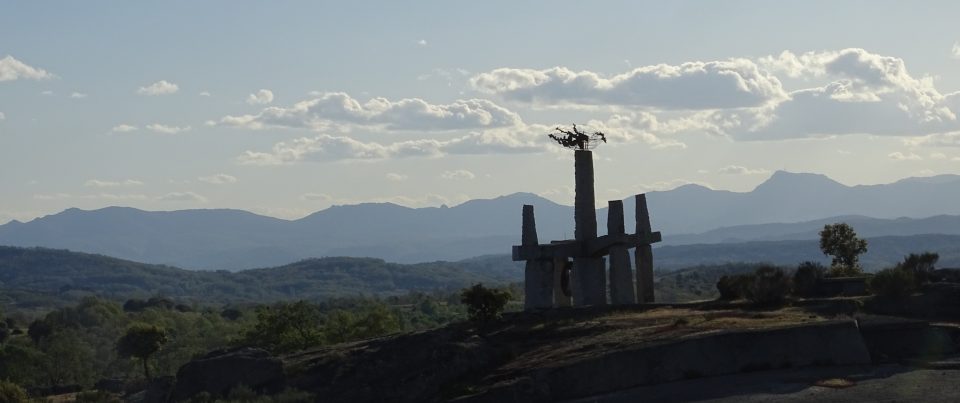
“Curiosity and strangers / are good partners” (Las Hurdes, Spain, photos and text Drager Meurtant, 2018-2019)

Subscribe

  • Entries (RSS)
  • Comments (RSS)

Archives

  • November 2025
  • October 2025
  • September 2025
  • August 2025
  • July 2025
  • June 2025
  • May 2025
  • April 2025
  • March 2025
  • February 2025
  • January 2025
  • December 2024
  • November 2024
  • October 2024
  • September 2024
  • August 2024
  • July 2024
  • June 2024
  • May 2024
  • April 2024
  • March 2024
  • January 2024
  • September 2023
  • July 2023
  • April 2023
  • November 2022
  • June 2022
  • May 2022
  • February 2022
  • December 2021
  • September 2021
  • July 2021
  • April 2021
  • March 2021
  • January 2021
  • December 2020
  • November 2020
  • October 2020
  • June 2020
  • March 2020
  • February 2020
  • January 2020
  • December 2019
  • October 2019
  • August 2019
  • June 2019
  • May 2019
  • March 2019
  • August 2018
  • March 2018
  • December 2017
  • September 2017
  • August 2017
  • July 2017
  • June 2017
  • May 2017
  • April 2017
  • January 2017
  • August 2016
  • February 2016
  • September 2015
  • May 2015

Categories

  • abstract
  • animal
  • archeology
  • art
  • Art competition
  • assemblage
  • creation
  • Dada
  • death
  • Decay
  • defense
  • destruction
  • development
  • exhibition
  • Figurative art
  • France
  • graphics
  • Greece
  • History
  • houses
  • inconspicious
  • inside
  • installation
  • internet
  • italy
  • kunst
  • landscape
  • Le Pays
  • Mailart
  • mental health
  • mountain hike
  • mushrooms
  • nature
  • natuur
  • outdoor
  • painting
  • philosophy
  • photography
  • poem
  • poetry
  • poezie
    • poetry
  • retirement
  • river
  • rocks
  • society
    • demography
  • Spain
  • stones
  • stray-cats
  • street photography
  • street-photography
  • structure
  • tentoonstelling
  • travel
  • Uncategorized
  • unrest
  • Urban nature

Meta

  • Create account
  • Log in

Blog at WordPress.com.

  • Subscribe Subscribed
    • drager-meurtant
    • Join 44 other subscribers
    • Already have a WordPress.com account? Log in now.
    • drager-meurtant
    • Subscribe Subscribed
    • Sign up
    • Log in
    • Report this content
    • View site in Reader
    • Manage subscriptions
    • Collapse this bar
 

Loading Comments...