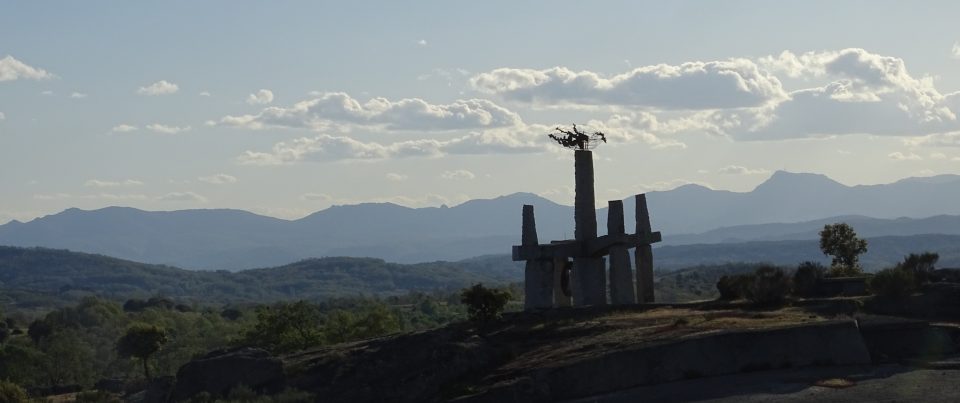
At the age of one year, the artist Drager Meurtant (b. 2012) wanted to create a vision of the world in it’s infancy.
With mountains, a lake and mystical homonoid figures standing idle.
“With a few”
“The mountains that I encountered, the swamps and gadflies: for milennia remained nearly unchanged: One time the first people came, or were Neanderthals earlier? People won, but whether that was the best outcome? “
In the years that followed, the increased tendency in our world to strengthen frontiers, raise walls, and push back ‘illegal’ immigrants, became a worry and cause to doubt progression of human society.
This did in 2023 lead to transformation of the above sculpture – assemblage, into “Borders and Fences”
The lake became a place for a small city with skyscrapers.
“Borders and fences – 1”
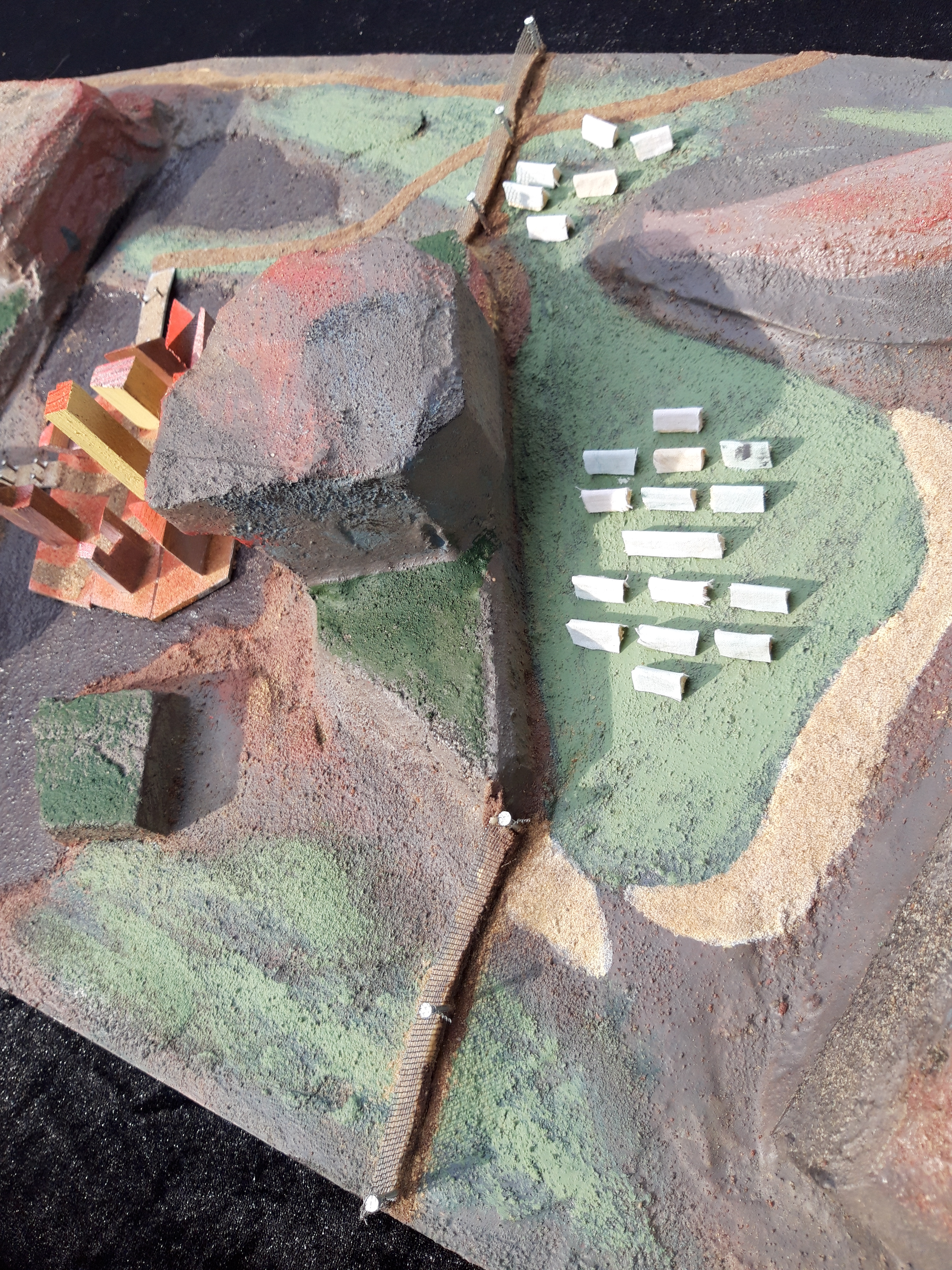
A high gate was raised, on a scale that in real life would be 10 m high, and that makes existing roads and path dead-ends. And a refugee camp was created on the other side of the fence.
“Borders and fences – 2”
Two societies come into existence, populated by the ‘haves’ and the ‘have nots’.
“Borders and Fences – 3”
After the ‘Chinese Wall’ and the ‘Hardrian’s Wall’, modern society got to know the ‘Iron Curtain’, and became aware of the fences that separate Northern and Southern Korea. However, in 2024 the length of walls and fences that separate Israel from Palestine, the (U)SA from Mexico, and in several countries in Europe to impair crossing the borders for immigrants impossible stretch of thousands of kilometers…
“Borders and fences – 4”
All images and texts by Drager Meurtant, 2013 – 2024.
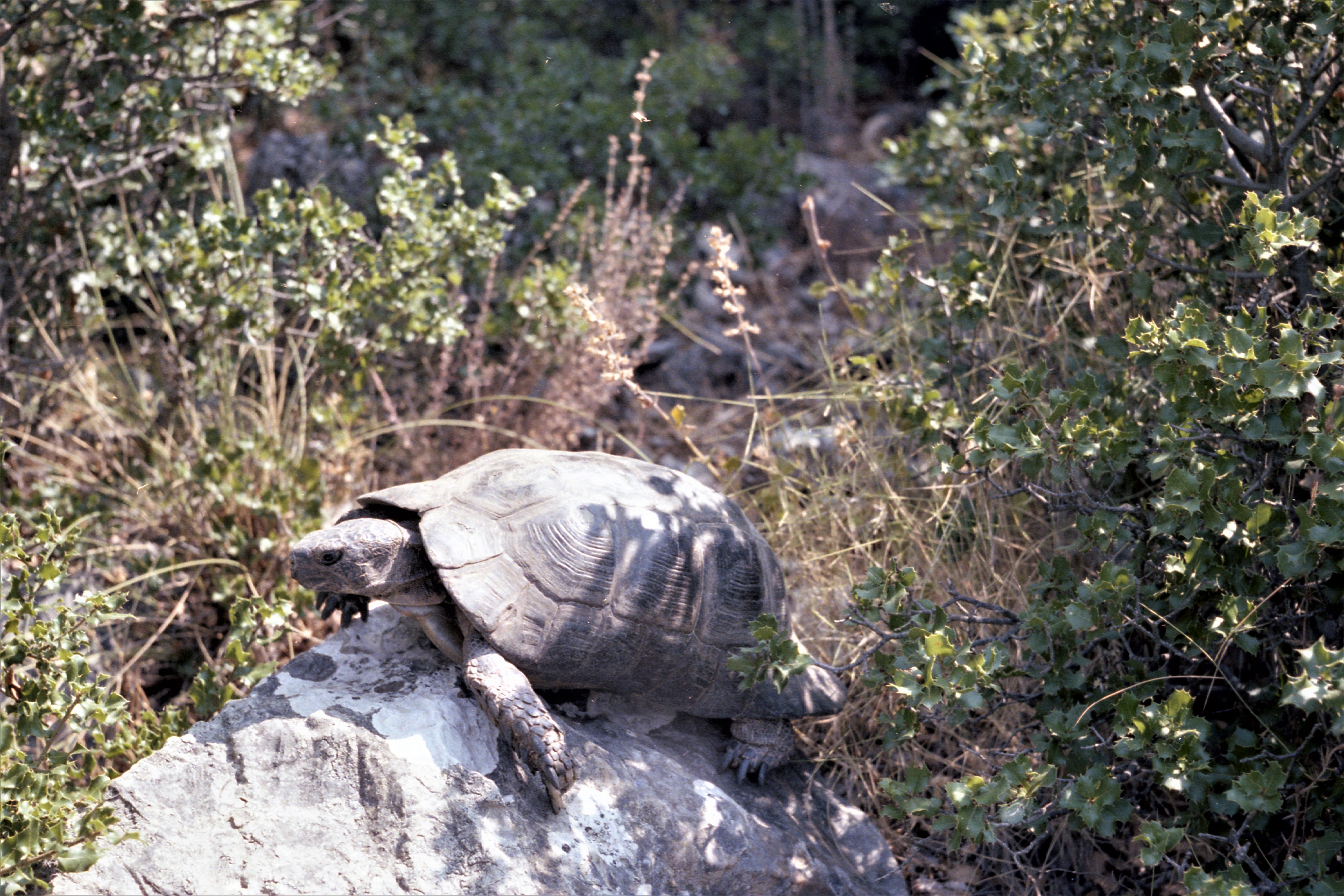
As indicated in previous post (December 11, 2021), my journey in Greece from Dimitsana onward continued as hike mostly on feet, with myself as only company. An imprecise map helped me define Adritsaina as next ‘goal’, and I had the sun, time and a compass as lead. The Arcadian hills grown with small greek oak trees were hot and dry. The day passed without meeting any bipeds, and only a greek turtle crossed my path.
Mountains in ArcadiaGreek tortoise (Testudo graeca) encounter underway
After mid-day, I had to take care not to get over-heated, but some rivers provided refreshment at times.
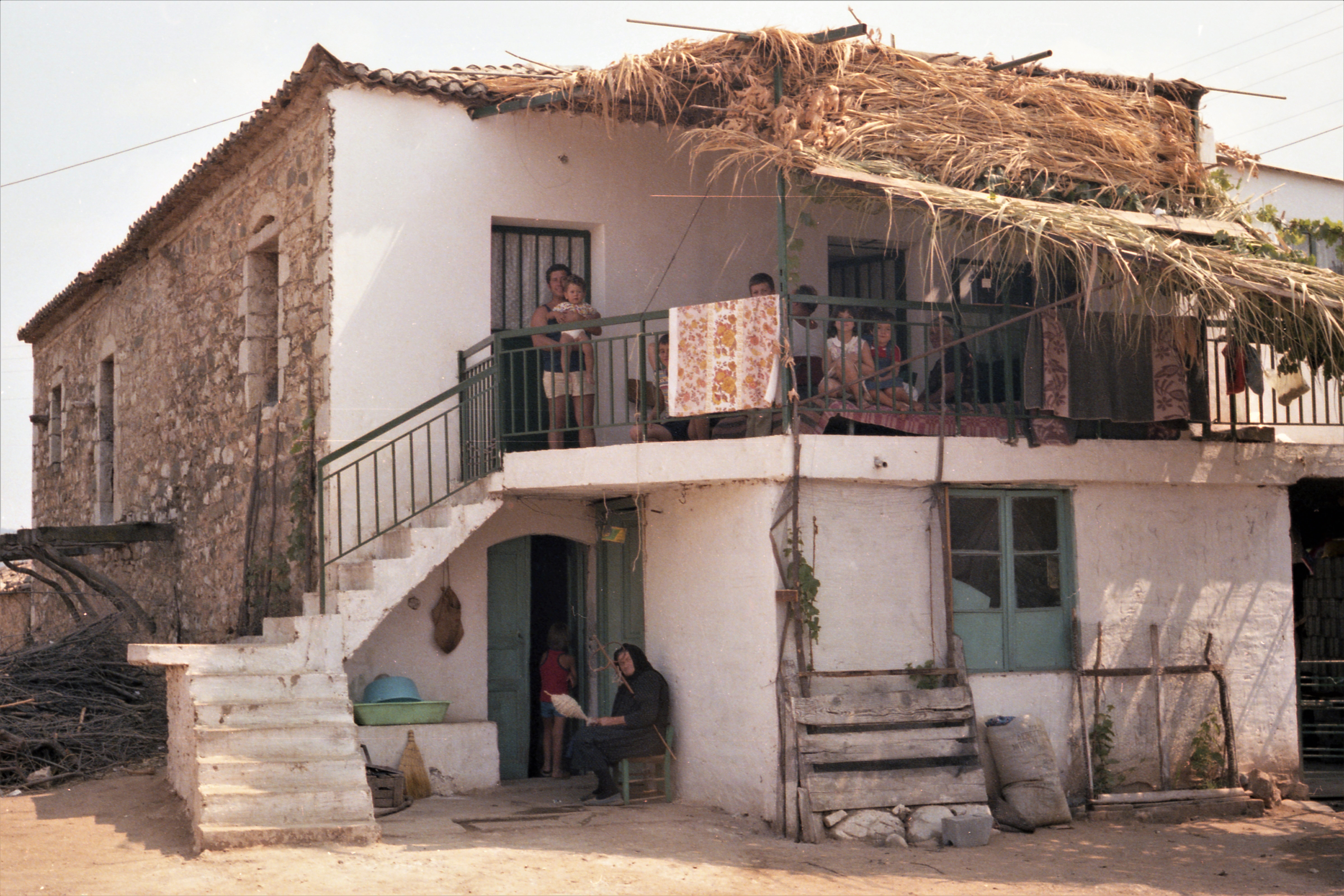
In hammock of Bardaki (Μπαρδάκι) I was invited – when filling water bottle at local pump – to have retsina and tomato salad in plenty olive oil on the veranda. The hospitable folks advised a cool moment at nearby river Alfeios.
Bardaki (Μπαρδάκι) houses (1)Bardaki (Μπαρδάκι), the house with veranda
After passing through Andritsaina, and after following a small path through the hills, I came close to a temple with just a few visitors. Some supportive structures had been raised, as an early step towards conservation. It is now an Unesco Monument, and restoration would start in 2001, with a tent (hood) placed over the temple remains. This Temple of Apollo Epicurius at Bassae of Phigaleia has been raised in 5th century BC. In retrospect, the photo is unique with respict to point-of-view.
Temple of Apollo Epicurius at Bassae of Phigaleia, 5th century BC.
At the end of the next day I came to a place, where several big rectangular boulder stones had been neatly arranged providing a plateau to camp. I had arrived at the ancient site of Lycosura (Λυκόσουρα) with the temple of Despoina. At the nearby village an elderly lady had the key to small historic museum, with some big antique statues, and a lot of dust. The entree did cost two drachmes.
Ancient Lykosura (Λυκόσουρα), temple of Despoina (1) Ancient Lykosura (Λυκόσουρα), temple of Despoina (2)
From there the trip continued on feet or by hitch hiking or bus, via Megalopolis to historic Argos, Mycene and coastal city of Nafplion. On the quay outside this city, several young people camped and took a swim in the sea, not bothering to put on cloths between dives. Several times during the day, a ripple of unrest traveled along this quay, when a police officer came to tell nudity would be punished.
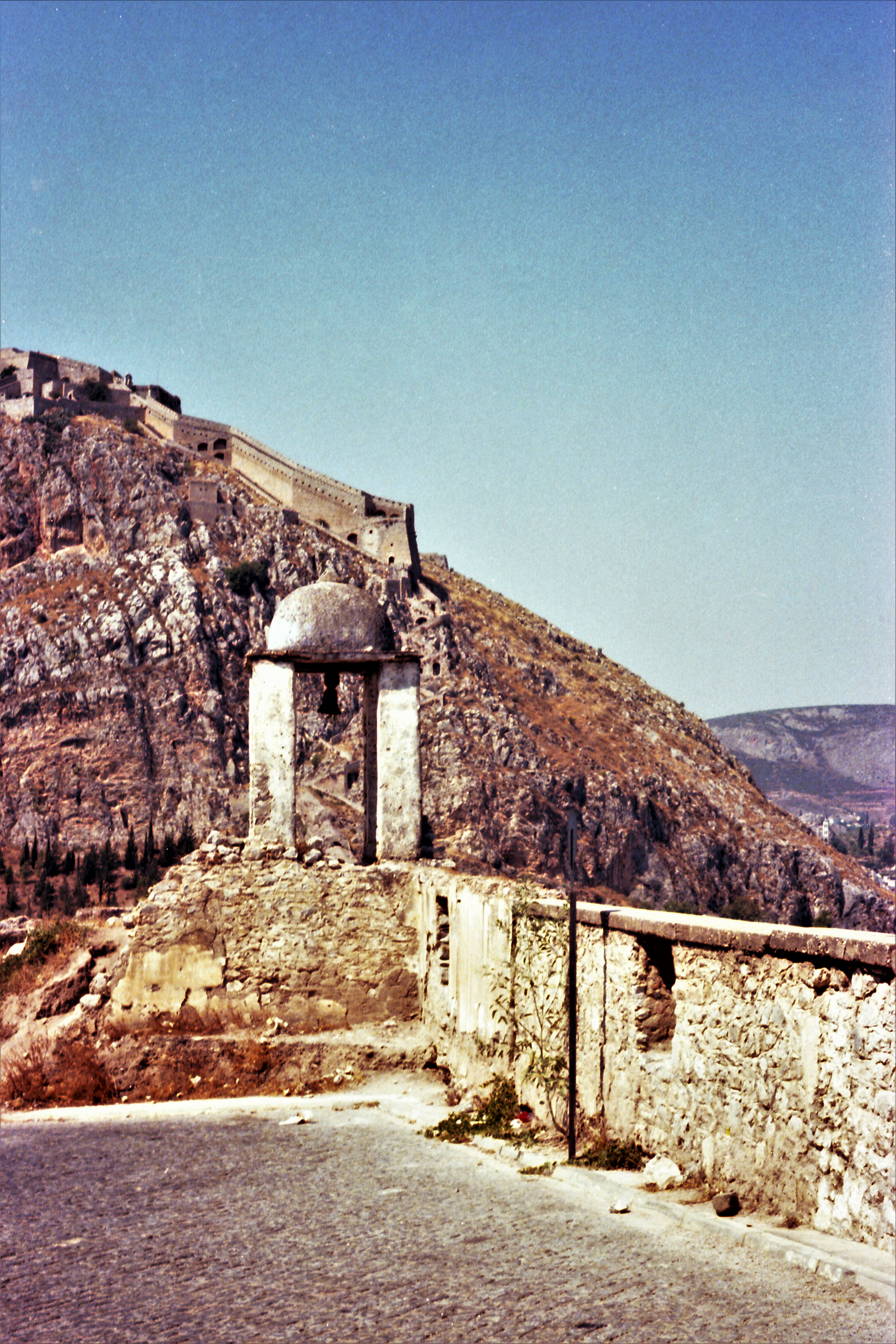
View from port of Nafplion to Palamidi Castle (1978)
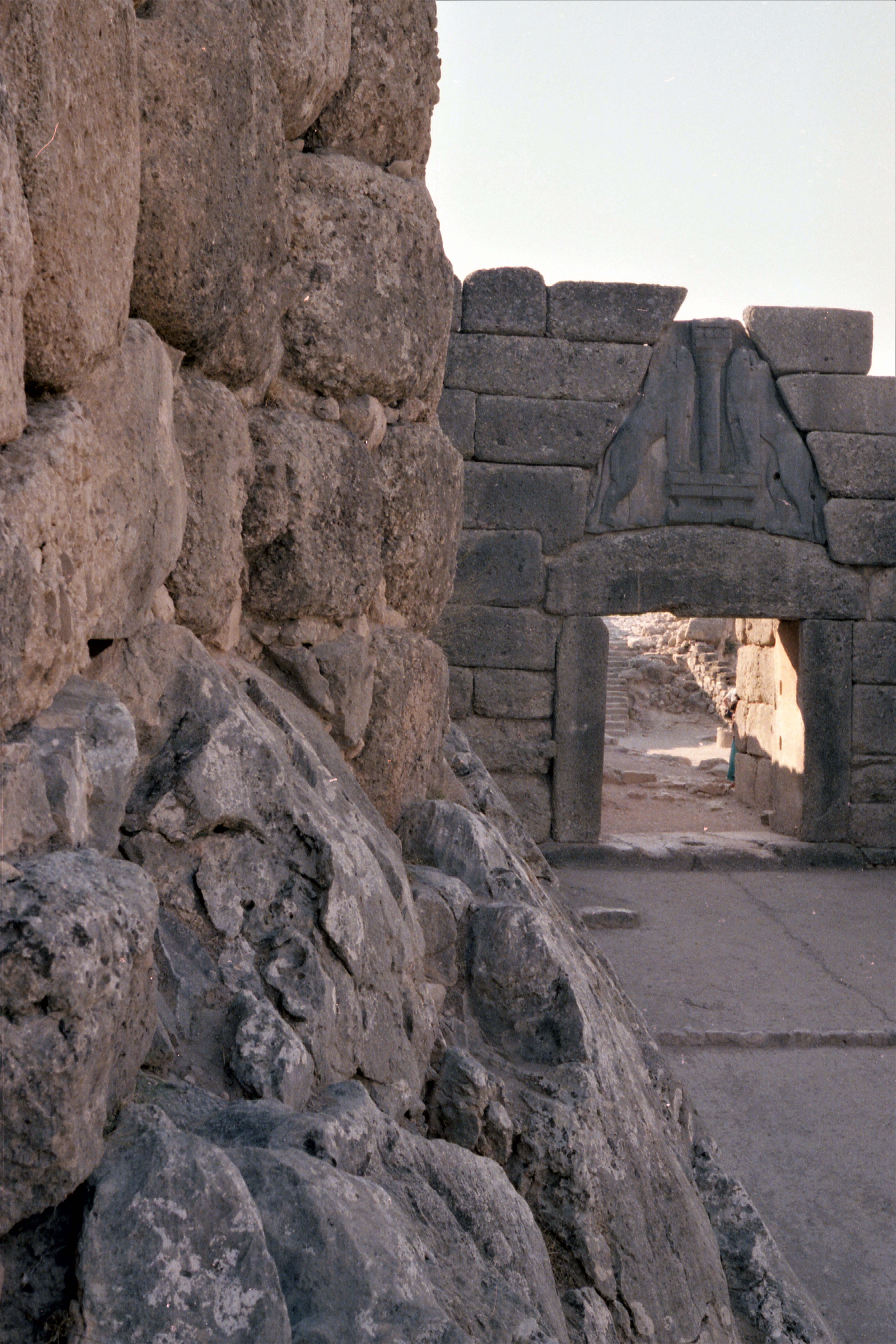
From Nafplion, a regular buss service brought tourists to ancient Mycene.
Castle of Mycene, with Agamemnon’s Palace in evening light, empty of touristsCastle of Agamemnon, Mycene, the Lion Gate
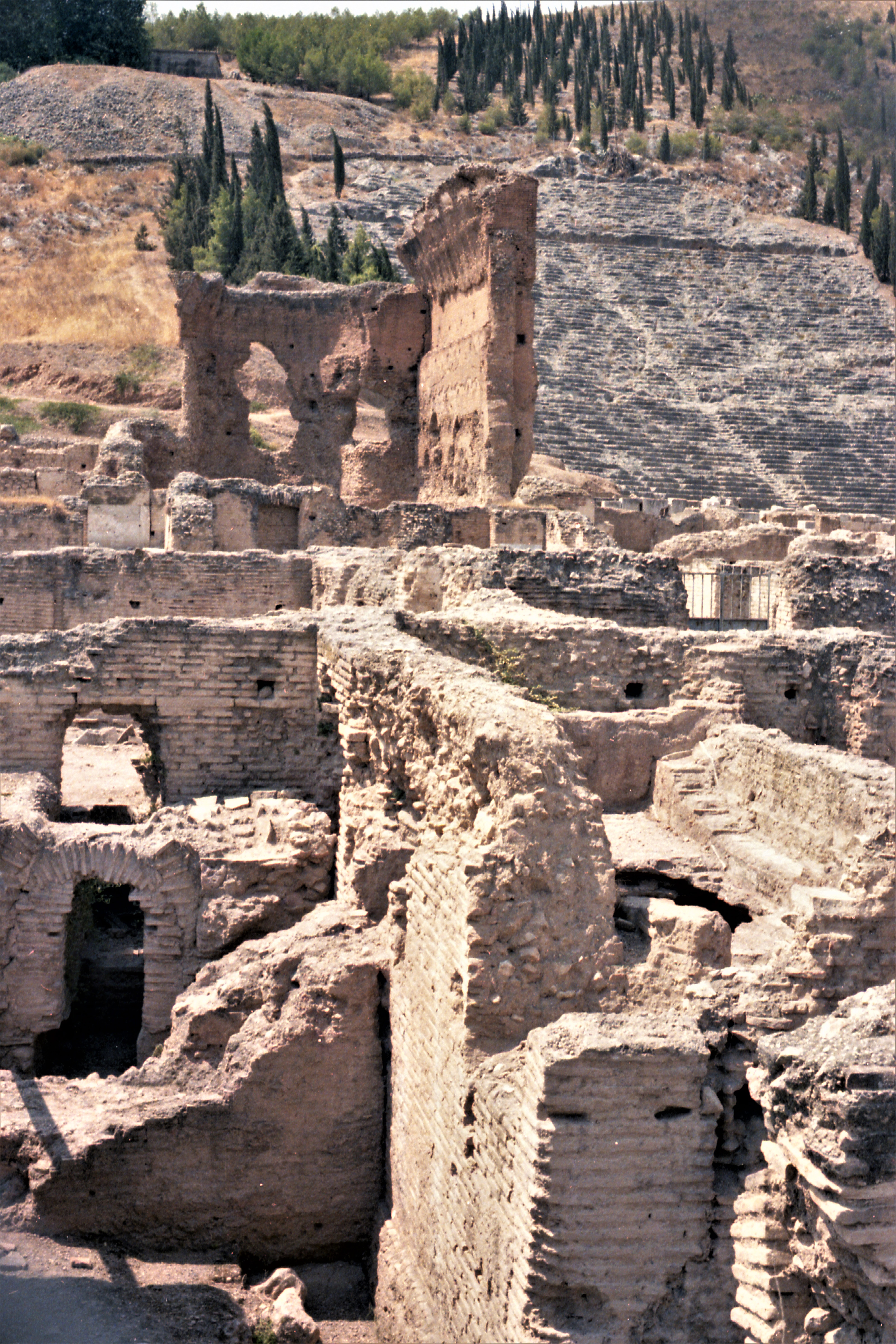
From Nafplion an easy walk along busy motorway brought me to ancient Argos, with its huge amphiteatre.
Ancient Argos amphitheatre
In the city of Argos, a funeral service was hindered by the defect of historic funeral coach.
Motor trouble of funeral coach (Argos, 1978)
Small garages are scattered all over Greece, like here near Nafplion.
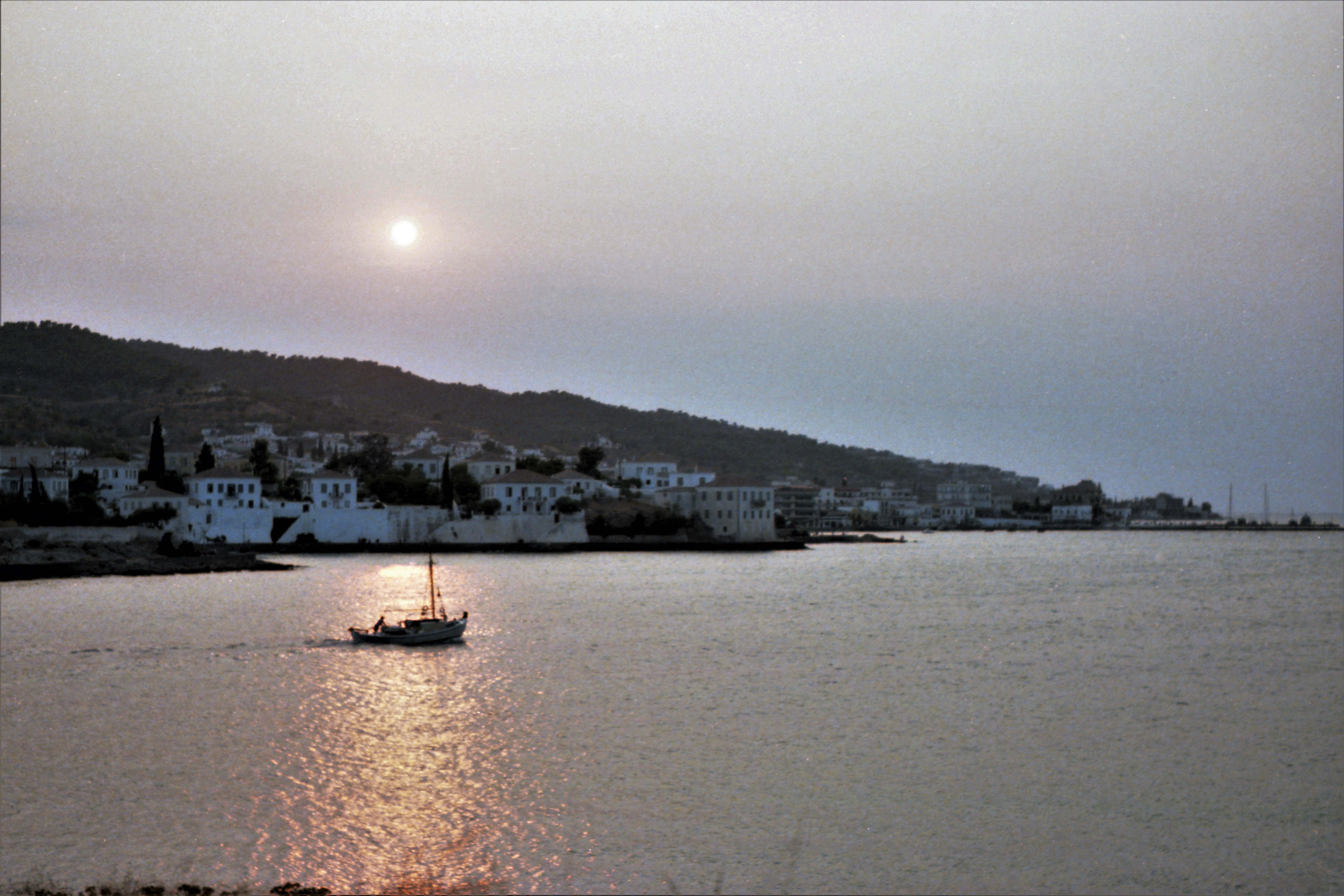
By ferry a short visit was brought to Spetse, the island where the book “The Magus” by author John Fowles is situated. By taking some distance to the tourist crowds, – talking about 1978 – at almost all places something of rural Greece could be found. I walked a few miles from the port, and near the lighthouse I got permission from the guard to camp with my little tent, after having accepted the offer of a glass of ouzo and some fresh tomatoes.
Evening view from lighthouse to port of Spetse.
From Spetse another ferry brought me to Pireas and a bus to Athens, and that is where this story ends.
In countries like Greece, the visitor must rely on stones to get a grasp of history and important developments of culture.
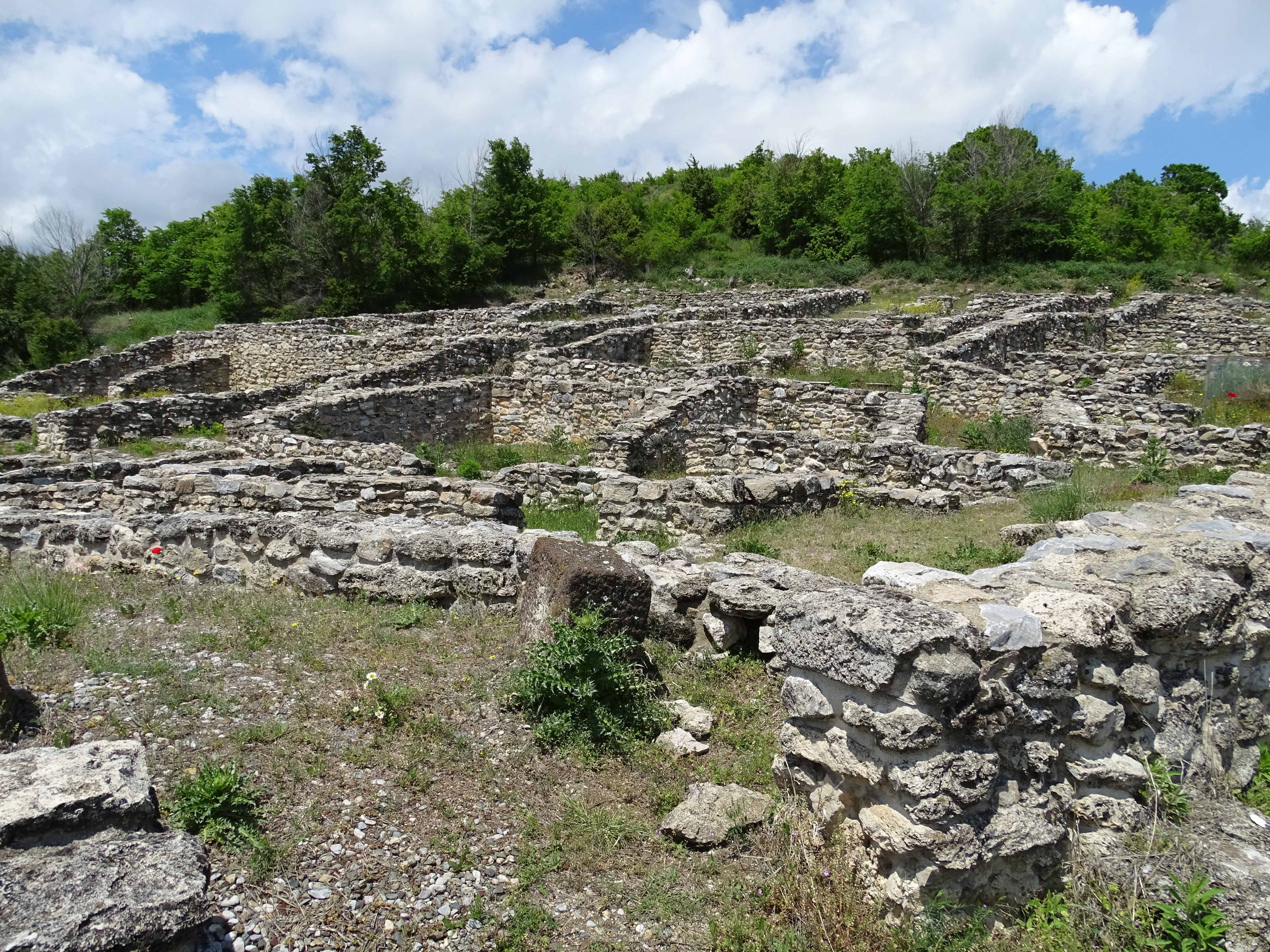
During a short journey in May 2019, In the department of Pella, Macedonia, Greece, we followed signs indicating “Ancient Archeological Site of Petres”.
When arriving there, and having parked the rented car and after walking about 400 m, the most surprising elements to us, were ancient big jars, present in many houses, that had been installed to store water (photo 1).
Looking at the plan of the small city, with rectangular houses, one starts to imagine people walking here, more than two thousand years ago. Discussing family affairs, the harvest, trade, threats… (photo 2).
The firm conclusion was: use talk, or writing, as social medium.
Information about the history of Ancient Petres:
“The ancient city occupies a natural mound to the NW of the village of Petres, in the region of Florina. Its total area reached 15-20 hectares and was protected by a fortification wall built of poros stone. The enclosed area included houses, and public buildings erected in a free layout, separated by streets, 2.5 m. wide. The city was founded in the 3rd century B.C. by Antigonos Gonatas, it flourished in the 2nd century B.C. and it ceased to exist in the 1st century B.C. It was again inhabited in the Roman period, but it moved to a different site.
The archaeological evidence leads to the conclusion that the city owed its development to its strategic position on the Egnatia Road and to its commercial exchanges with other Greek cities. The excavations of the site revealed useful information on the types of the private houses, which were continuously used in north-west Macedonia as late as the 19th century.
Excavations on the site were begun in 1982 and are still in progress, along with restoration and consolidation work of the ancient remains.















 drager-meurtant